VSH and varroa
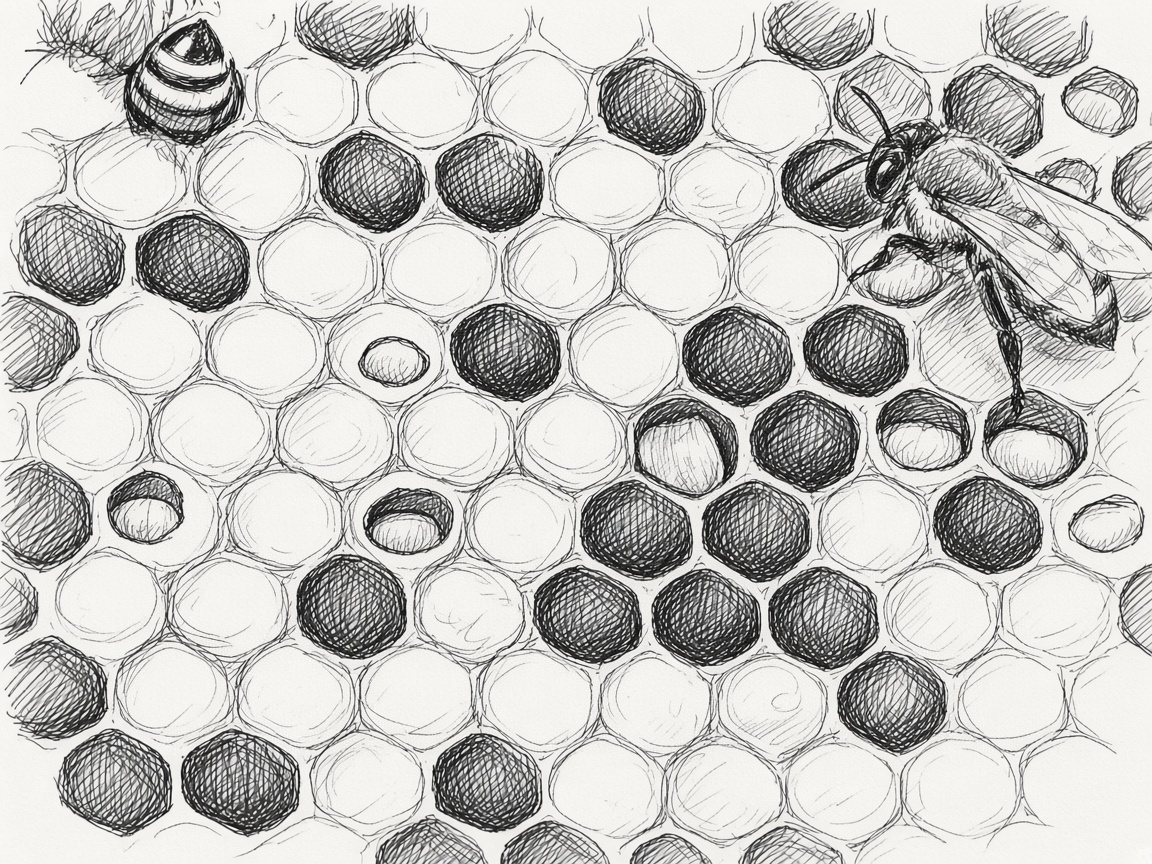
VSH is the behaviour in which workers recognise mites in the brood and clear that brood. For us it is a selection criterion, not a label.
Varroa Sensitive Hygiene, VSH for short, is a natural behaviour. Workers notice pupae in which varroa mites are reproducing and they clear that brood. The mites then have less chance to finish their cycle in the sealed brood.
We want a high level of that hygiene in the line. That stands beside the other aims: gentle, slow to swarm, a good winter, reliable honey. A trait that looks fine only on paper and stings in the hive or does not winter, we do not keep.
VSH does not mean, for us, that a colony never needs to be watched again. Varroa remains a parasite, and a wet spring or a missed brood break changes the pressure. Anyone who wants to work without chemicals finds in the Chmary isolator a way to steer brood. The breeding programme and the isolator point the same way: less exhaustion, fewer mites, more vigorous bees. Neither is a magic formula.
We test colonies against the breeding philosophy and take poor traits out as quickly as we can. A high VSH score that coincides with unworkable behaviour is not progress for a beekeeper’s apiary.
The wider movement that this selection belongs to is on the page Varroa resistance 2033.